Peace Is Not What Happens When the Fighting Stops
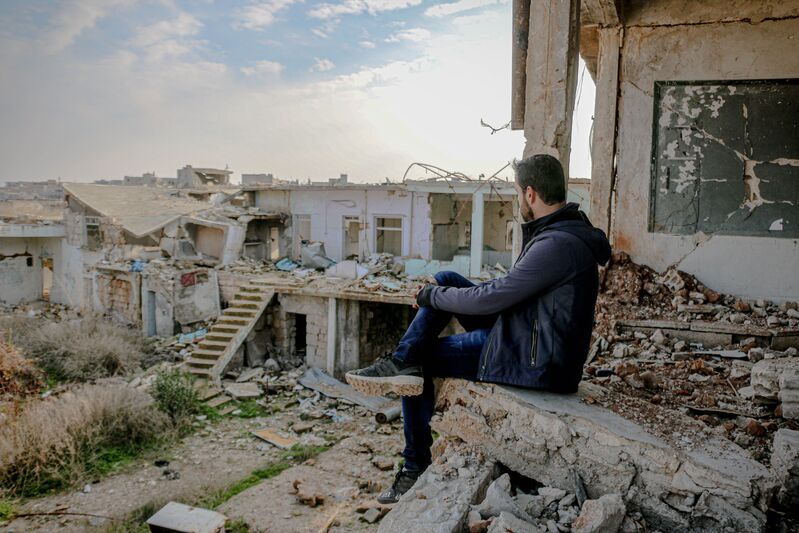
A ceasefire can stop people shooting at one another.
It cannot, by itself, make former enemies trust each other.
That distinction matters enormously.
The United Nations continues to describe a world in which conflicts in places including Gaza, Ukraine, Sudan and Haiti are causing enormous human suffering. Its 2026 peace outlook says more than one-quarter of humanity lives in areas affected by conflict, while nearly 120 million people have been forcibly displaced.
The obvious response is to ask how we stop wars.
But perhaps that question is too narrow.
What happens after the guns fall silent?
A peace agreement can be signed. Borders can be monitored. Prisoners can be exchanged. Aid can arrive.
And yet resentment can remain. Institutions can remain broken. Communities can remain divided. Young people can grow up knowing the other side primarily through stories of violence.
That is why peace is more than the absence of war.
It requires enough security for people to rebuild, enough justice for grievances to be addressed, enough economic opportunity to make cooperation worthwhile, and enough dialogue to make coexistence imaginable.
The UN’s Department of Political and Peacebuilding Affairs maintains a mediation database containing hundreds of peace agreements and provides support to mediation efforts around the world.
That tells us something important: peacebuilding is not a single event. It is a process.
Here’s the uncomfortable part.
We often treat conflict as though two sides simply need to “talk.”
Sometimes they do.
But successful negotiation is not merely getting people into the same room. It requires understanding what each side believes it needs, what it fears losing, what incentives might change behaviour and what guarantees can make compromise survivable.
This is why economic ideas can matter in peacebuilding.
My book explores the possibility of Economic Zones of Peace — designated areas where rival groups suspend hostilities and cooperate economically. The thinking is straightforward: if cooperation creates visible benefits, peace becomes connected to something people can actually experience.
That doesn’t make conflict disappear.
It creates another reason not to restart it.
This is the wider argument behind How We Can Fix Things: Unlocking Solutions for a Better World. The hardest global problems rarely sit neatly inside one category. Conflict connects to economics. Economics connects to opportunity. Opportunity connects to education and infrastructure. And all of those can influence whether peace survives.
Perhaps we should therefore stop measuring peace only by whether the shooting has stopped.
A better measure might be whether people on opposing sides are gradually acquiring reasons to protect what peace has made possible.
If a peace agreement stops a war but leaves the conditions that helped produce the war untouched, have we solved the conflict — or simply paused it?
#Peace, #Peacebuilding, #Diplomacy, #ConflictResolution, #InternationalRelations, #UnitedNations, #Mediation, #GlobalSecurity, #Politics, #HowWeCanFixThings
Want more like this?
Get an occasional email when there’s something new worth reading. No spam, unsubscribe anytime.
By subscribing you agree to receive occasional emails about new releases. Unsubscribe anytime by replying to any email.