
Rethinking Authority: Is Equal Probability More Fair Than Voting?
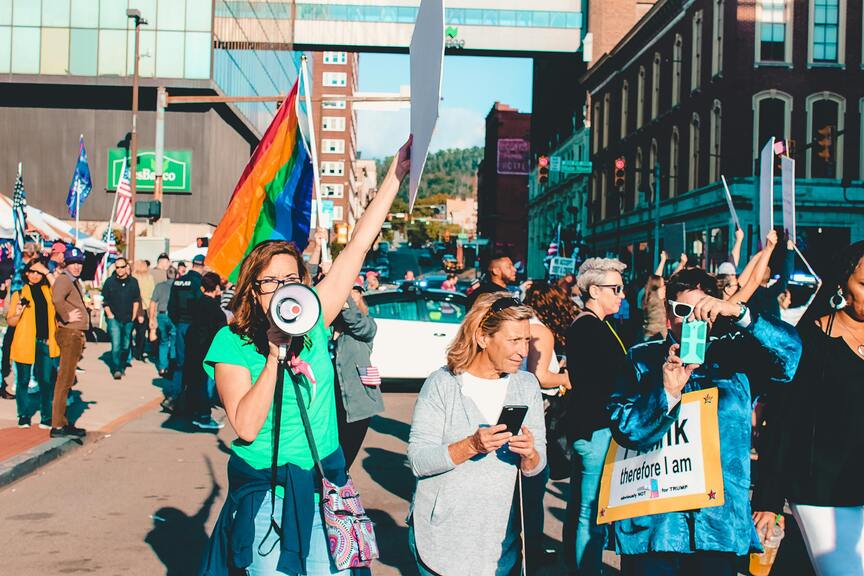
Voting is widely viewed as the ultimate expression of political equality. The phrase ‘one person, one vote’ is central to modern democratic identity.
But consider this scenario: in a majoritarian election, millions of voters often find themselves permanently on the losing side of political decisions, represented by officials whose platforms they actively oppose. Over time, this creates alienation and widespread political disengagement.
What if true fairness isn’t just about the right to cast a ballot, but about equal mathematical probability of having a direct voice in governance?
Under a system of sortition, every eligible citizen has an equal chance of being selected to serve in a decision-making body. It grounds political authority in shared civic responsibility rather than personal ambition or party alignment.
Instead of competing for power, citizens are called upon to serve their society in turn—much like jury service.
This fundamental rethink of political equality is presented in the book, The Answer by Kizzi Nkwocha.
Which model offers a fairer representation of the public interest: competing in elections, or equal chance of selection?
Want more like this?
Get an occasional email when there’s something new worth reading. No spam, unsubscribe anytime.
By subscribing you agree to receive occasional emails about new releases. Unsubscribe anytime by replying to any email.