The Audience You Can Reach Isn’t Necessarily the Audience You Own
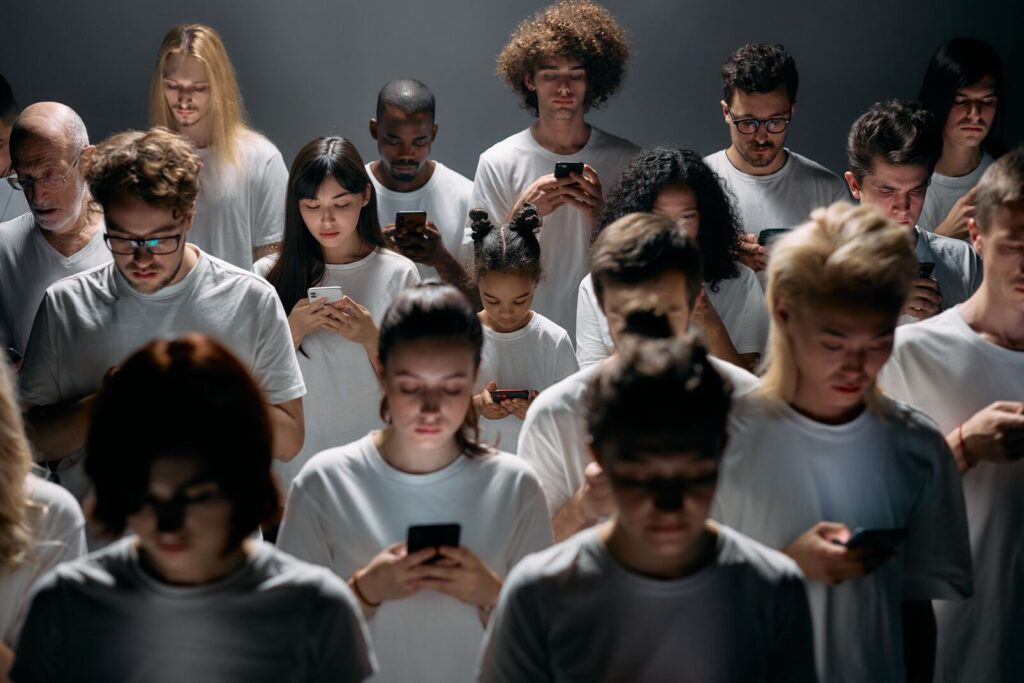
A million followers can disappear from your business without a single person choosing to leave.
Not because they have stopped liking your work. Not because they have found someone better. Simply because a platform changes its rules, reduces distribution, suspends an account or becomes less relevant to the people who once used it.
That is the uncomfortable distinction between having an audience and having access to an audience.
Social platforms are extraordinary discovery engines. They can put an unknown writer, musician or small business in front of people who would never have found them through traditional media. But the relationship is mediated by a company whose priorities may have little to do with your long-term interests.
Look at the changing referral patterns reported by the Reuters Institute in its 2026 industry research. Across the previous three years, referrals to news sites from Facebook had fallen by 43% and from X by 46%. Those figures don’t mean social platforms have become useless. They do show how quickly a publisher’s access to an audience can change when a platform changes its priorities or users change their habits.
The lesson isn’t that social media is dangerous or that creators should abandon it. That would be absurd. The lesson is that reach and resilience are different things.
A social account is a rented distribution channel. Your website, mailing list, original articles, books, customer relationships and permission-based contact database are assets you can develop more independently.
Imagine a creator with 50,000 followers and no way to contact them outside one platform. Now imagine another with 5,000 followers, a useful website, an email list and a library of material that can be republished in different formats.
The first creator may have the bigger number. The second may have the stronger business.
There is a further twist. Owning your own channels does not guarantee success. A mailing list nobody reads is not an asset merely because you control it. A website with no useful purpose is just another bill. The point is to build genuine reasons for people to return, not to collect digital properties like souvenirs.
A sensible media strategy uses platforms for discovery while giving interested people a clear path towards something more durable: a newsletter, a community, a publication, a product or a direct relationship.
This is one of the central ideas behind *The Media Ecosystem Blueprint* by Kizzi Nkwocha: media assets become more useful when they support one another rather than exist as isolated projects.
So here’s the question: if your biggest social platform disappeared tomorrow, what would remain of the audience and business you have spent years building?
Book: https://www.amazon.com/Media-Ecosystem-Blueprint-Global-Empire/dp/B0FWRM9TWK
#MediaStrategy, #CreatorEconomy, #DigitalPublishing, #AudienceBuilding, #EmailMarketing, #ContentStrategy, #Entrepreneurship, #PersonalBrand, #DigitalBusiness, #MediaEcosystem
Want more like this?
Get an occasional email when there’s something new worth reading. No spam, unsubscribe anytime.
By subscribing you agree to receive occasional emails about new releases. Unsubscribe anytime by replying to any email.